

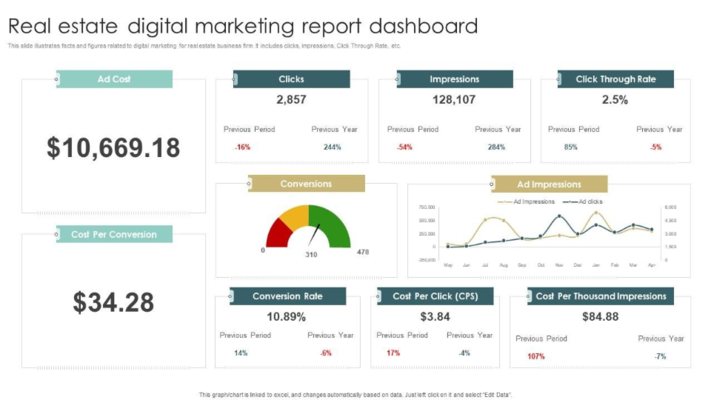
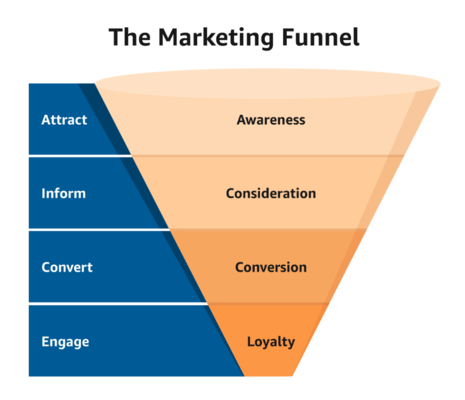
The property market in 2026 is no longer driven by hoardings and newspaper classifieds alone. Buyers are digital-first, highly informed, and selective. In this environment, only Real Estate Ads backed by data and strategic targeting are delivering measurable results.
Traditional advertising may create awareness — but data-driven campaigns create conversions.
This shift marks a powerful phase of digital transformation in real estate, fundamentally changing how developers and every real estate agency in Bangalore attract and convert buyers.
Let’s explore how modern real estate advertising is evolving — and what actually works in 2026.
Why Traditional Real Estate Ads No Longer Deliver Strong ROI
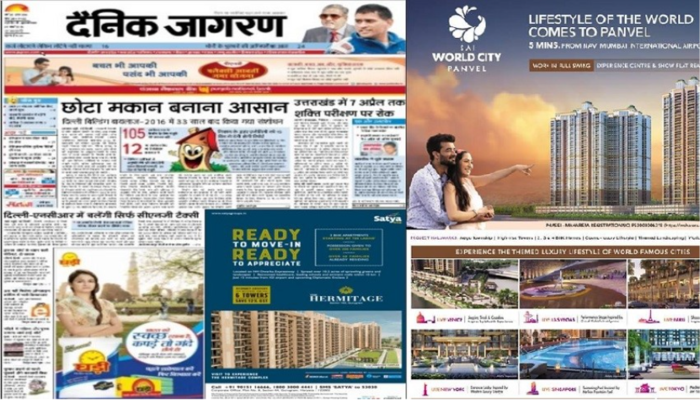
For years, real estate advertising relied on:
- Newspaper inserts
- Outdoor hoardings
- Radio ads
- Bulk SMS campaigns
While these methods created visibility, they lacked:
- Precise audience targeting
- Performance tracking
- Lead behaviour analysis
- Conversion attribution
Today, without measurable data, marketing budgets get wasted.
Modern buyers research online before making inquiries — making digital strategy essential. Today, without measurable data, marketing budgets get wasted.
Traditional Advertising Channels Used in Real Estate
For years, real estate advertising relied on:
- Newspaper inserts
- Outdoor hoardings
- Radio ads
- Bulk SMS campaigns
Limitations of Traditional Advertising
While these methods created visibility, they lacked:
- Precise audience targeting
- Performance tracking
- Lead behaviour analysis
- Conversion attribution Estate
Today, without measurable data, marketing budgets get wasted.
Modern buyers research online before making inquiries — making digital strategy essential.
What Makes Real Ads Convert in 2026?
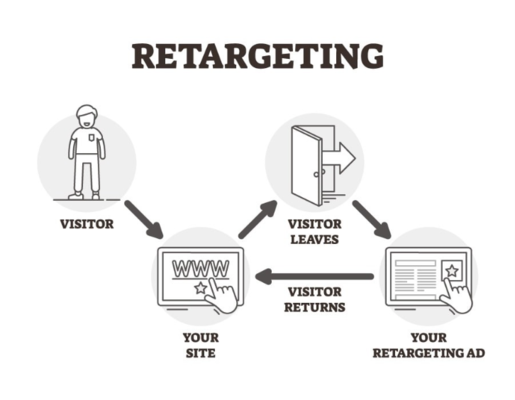
In 2026, high-converting real estate ads are driven by precision, relevance, and seamless user experience. Successful campaigns use data-driven audience targeting to reach the right buyers, intent-based keywords to capture active search demand, and conversion-optimized landing pages that provide clear information and strong calls-to-action. Combined with retargeting and fast CRM follow-up, these elements ensure that advertising doesn’t just generate clicks — it generates qualified property inquiries and site visits.
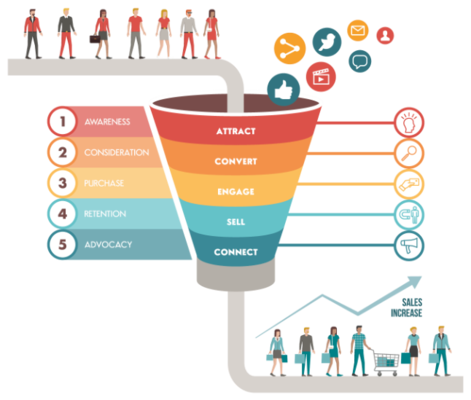
1. Data-Driven Audience Targeting
- Income brackets
- Location
- Investment behaviour
- Search history
- Online engagement patterns
For example, a luxury apartment campaign in Bangalore can target:
- IT professionals
- Startup founders
- NRIs
- High-income neighbourhood
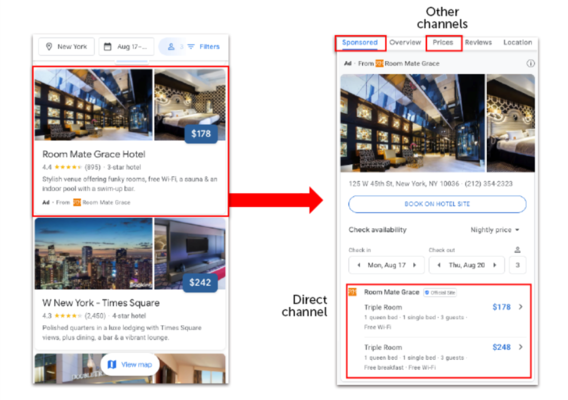
2. Intent-Based Advertising
Intent-driven ads convert at a much higher rate because the buyer is already in decision mode.
3. Conversion-Focused Landing Pages
- Clear pricing information
- Strong call-to-action
- Virtual walkthrough
- Downloadable brochure
- Testimonials
- RERA details
This structured approach reflects the ongoing digital transformation in real estate.
The Role of Analytics in Real Estate Advertising
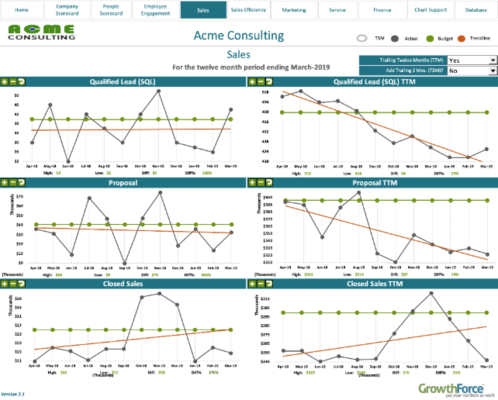
Analytics is what separates random ads from scalable systems.
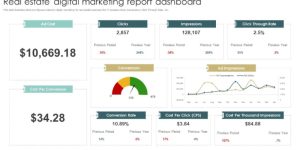
- Cost per lead
- Cost per site visit
- Conversion rate
- Lead source performance
- Drop-off stages
Social Media Advertising and Brand Positioning


Social media platforms serve two purposes:
- Lead generation
- Brand credibility
Video ads, project walkthroughs, testimonial clips, and founder messages build emotional connection.
Luxury and premium segments benefit greatly from high-quality visual storytelling. Strong branding improves conversion rates even before a sales call happens.
How CRM Integration Improves Ad Conversions
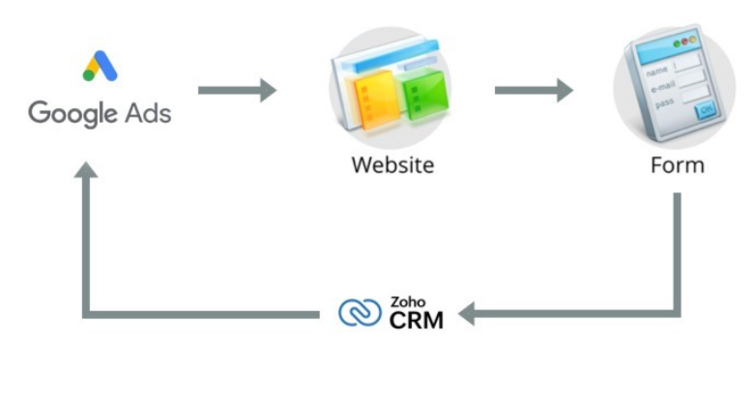
CRM integration ensures:
- Instant lead capture
- Automated responses
- Sales team assignment
- Follow-up reminders
- Conversion tracking
The combination of advertising + CRM defines modern digital transformation in real estate.
Why Bangalore’s Real Estate Market Demands Data-Driven Ads
Bangalore is one of India’s most competitive property markets.
A growing real estate agency in Bangalore must handle:
High inquiry volume
Competitive inventory
Tech-savvy buyers
NRI traffic
Multiple price segments
Without structured advertising and analytics, agencies struggle to maintain ROI.
Data-backed campaigns provide clarity, control, and scalability.
Key Metrics That Define High-Converting Real Estate Ads
To measure performance, track:
- Cost per lead
- Lead-to-site-visit ratio
- Site-visit-to-booking ratio
- Return on ad spend (ROAS)
- Lead response time
Final Thoughts
Real estate marketing in 2026 is no longer about visibility alone.
It is about precision, analytics, automation, and structured systems.
High-performing Real Estate Ads combine:
- Data-driven targeting
- Conversion-optimized landing pages
- Retargeting funnels
- CRM automation
- Continuous analytics monitoring
For any developer or real estate agency in Bangalore, adopting these strategies is not optional — it is essential for sustainable growth.
In today’s market, ads don’t just create impressions.
They create predictable deal closures.




Add comment