


If you are buying a plot, apartment, or planning construction, one term you must understand is FSI.
So, What Is FSI in Real Estate?
FSI (Floor Space Index), also known as FAR (Floor Area Ratio), determines how much construction is allowed on a given plot of land. It directly impacts building height, number of floors, open space, and ultimately — property value.
For anyone entering the market, this is an essential Guide for First-Time Buyers to avoid confusion and make informed decisions.
Let’s break it down in simple terms.
What Is FSI in Real Estate? (Meaning Explained)
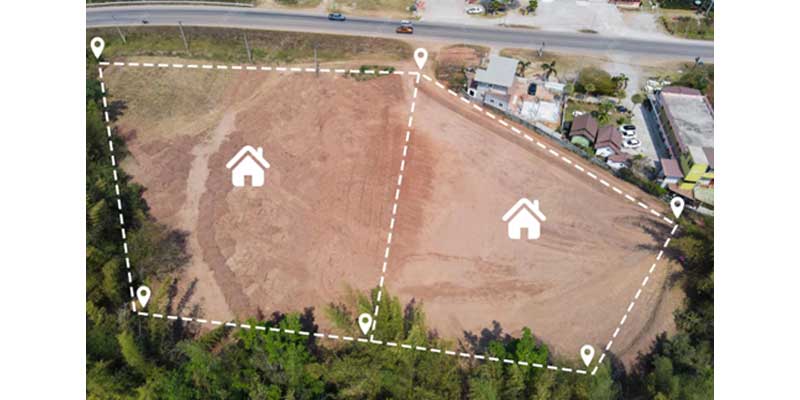
FSI (Floor Space Index) is the ratio between the total built-up area of a building and the total area of the plot.
Simple Definition
FSI = Total Built-Up Area ÷ Plot Area
It is regulated by local municipal authorities and urban development bodies.
Example of FSI Calculation
If:
- Plot Area = 1,000 sq. ft.
- Permissible FSI = 2.0
Then:
Maximum construction allowed =
1,000 × 2.0 = 2,000 sq. ft.
This means you can build:
-
Ground + 1 floor of 1,000 sq. ft. each
OR - Multiple floors totalling 2,000 sq. ft.
Understanding this concept is critical for property planning.
How Is FSI Calculated in India?

FSI calculation depends on:
- Plot size
- Road width
- Zoning regulations
- City development control rules
- Location classification (residential/commercial)
Step-by-Step FSI Calculation
- Identify plot area
- Check local municipal FSI rules
- Multiply plot area by permitted FSI
- Calculate maximum allowable construction
Each city in India has different FSI limits.
For example:
- Metro cities may allow higher FSI
- Tier-2 cities may have moderate limits
- Agricultural land requires NA conversion before FSI applies
This makes FSI a crucial factor in urban planning.
FSI Rules and Regulations in India

FSI is governed by:
- Municipal Corporations
- Urban Development Authorities
- State-level planning bodies
Key Rules to Know
- Higher road width often allows higher FSI
- Commercial zones have different FSI than residential
- Premium FSI may be purchased in certain cities
- FSI can change with revised master plans
First-time buyers must always verify:
- Approved building plan
- Sanctioned FSI usage
- Compliance with local authority guidelines
This step is essential in any Guide for First-Time Buyers.
Impact of FSI on Property Value

1. Higher FSI = Higher Development Potential
Plots with higher FSI allow:
- More floors
- More sellable area
- Higher rental potential
This increases land value.
2. Limited FSI Can Increase Exclusivity
In premium residential layouts, limited FSI:
- Reduces overcrowding
- Maintains open spaces
- Enhances lifestyle quality
This improves long-term resale value.
3. Developer Profitability and Pricing
Builders calculate project feasibility based on FSI.
Higher FSI often means:
- Lower per-unit cost
- More apartments per project
- Increased profit margin
Thus, FSI directly influences apartment pricing.
FSI vs FAR – Are They Different?

Quick Clarification
FSI and FAR mean the same thing.
The term FSI is commonly used in India, while FAR is more common internationally.
There is no technical difference.
Why First-Time Buyers Must Understand FSI
Understanding FSI helps buyers:
- Evaluate construction potential
- Compare plot value correctly
- Avoid overpaying
- Assess future appreciation
- Verify legal compliance
For plot buyers, FSI determines how large a home you can build.
For apartment buyers, it influences:
- Project density
- Amenities space
- Parking allocation
- Overall liveability
That’s why this is an essential Guide for First-Time Buyers entering the real estate market.
Common Mistakes Buyers Make Regarding FSI

1. Not Checking Approved FSI Usage
Always confirm how much FSI has already been used in a project
2. Ignoring Future Infrastructure Changes
Sometimes FSI rules change after new master plans are announced.
3. Confusing Built-Up Area with Carpet Area
FSI applies to total built-up area — not just carpet area.
Clarity here avoids
misunderstanding in pricing.
Final Thoughts – Understanding FSI Before You Invest
So, What Is FSI in Real Estate?
It is the backbone of construction regulation and directly impacts: So, What Is FSI in Real Estate?
- Building height
- Plot value
- Apartment density
- Resale potential
- Long-term appreciation
For any buyer — especially beginners — understanding FSI ensures smarter decisions and stronger investments.
Whether you are purchasing land or an apartment, always verify FSI compliance before finalizing your property.
Knowledge reduces risk.
And informed buying creates long-term wealth.





Add comment