
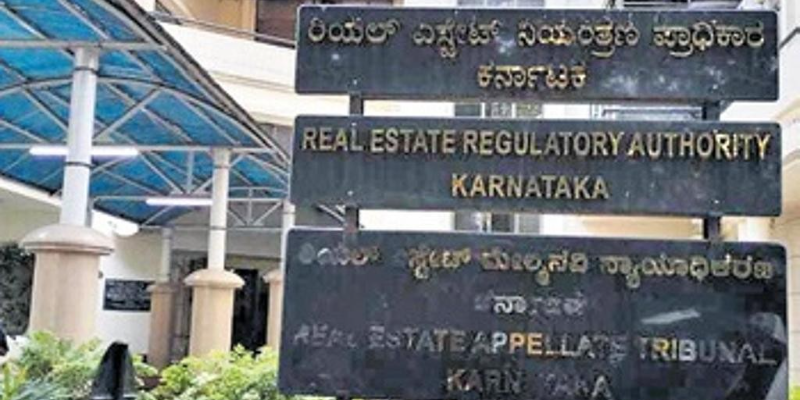
For Non-Resident Indians (NRIs), investing in Indian real estate is not just about purchasing a home. it’s about securing a valuable long-term asset while staying connected to their roots. Karnataka continues to attract thousands of NRI investors because of its thriving economy, robust infrastructure, and strong appreciation potential.
However, purchasing property from overseas also comes with unique challenges. Buyers often rely on online information, developers, or representatives without physically inspecting the project. To strengthen buyer protection, the Karnataka Real Estate Regulatory Authority (KRERA) has introduced stricter compliance measures in 2026 that improve transparency, accountability, and financial security.
Understanding these regulations can help NRIs avoid legal disputes, delayed projects, and financial risks. Before paying a booking, amount or signing any agreement, every NRI investor should complete a detailed verification process.
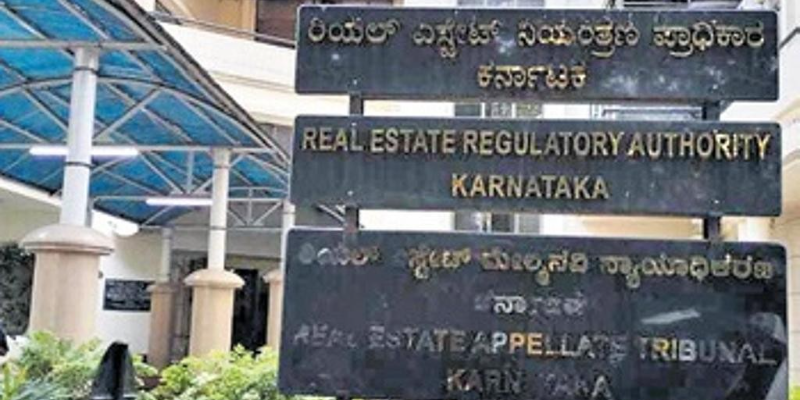
Understanding the Latest Karnataka RERA Updates in 2026
The Karnataka RERA Authority has strengthened its regulatory framework to improve transparency in real estate transactions. Developers are now required to provide regular project updates, maintain financial accountability, and adhere strictly to approved timelines. These measures significantly reduce the risks associated with delayed possession and incomplete projects.
Mandatory Project Progress Updates
- Construction progress
- Project completion timelines
- Phase-wise development status
- Fund utilization reports
- Approval status
Restrictions on Advance Payments
Developers cannot collect more than 10% of the property’s total value before executing a legally registered Sale Agreement.
This protects buyers from making substantial payments before legal documentation is completed.
Protection of Buyer Funds
Builders must utilize project funds exclusively for the registered development.
Diversion of customer funds from one project to another is prohibited under Karnataka RERA.
Essential RERA Verification Checklist for NRI Investors
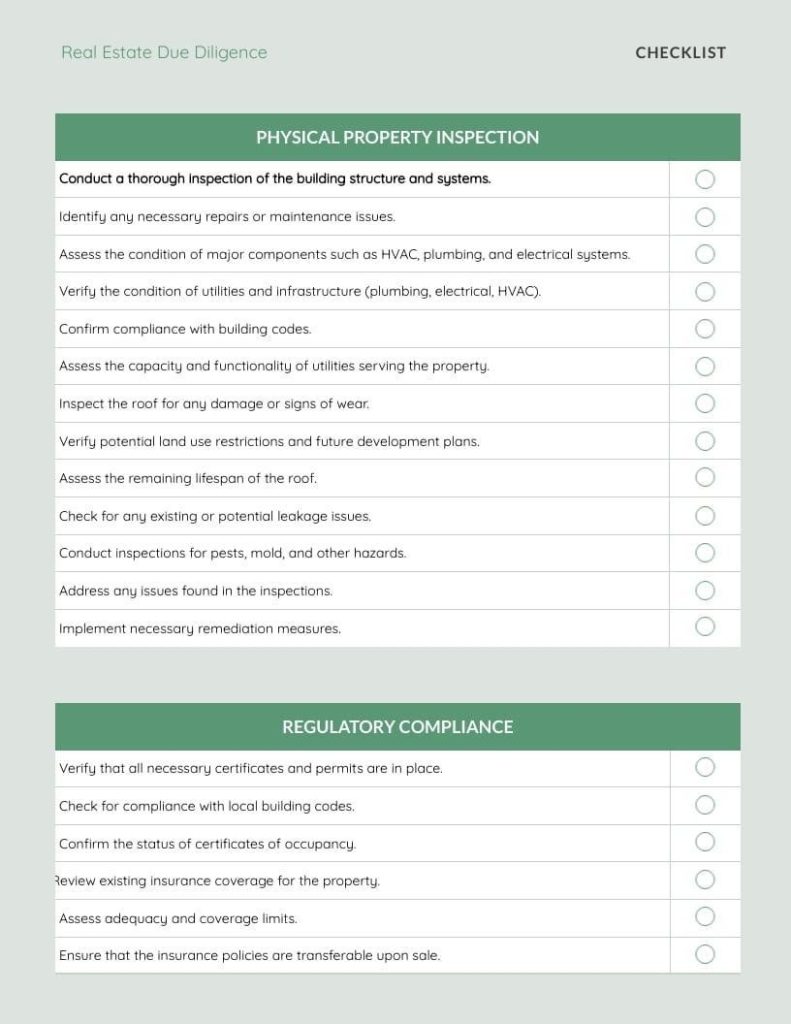
Buying property remotely requires careful due diligence. Before investing, NRIs should verify every legal and financial aspect of the project through official government sources rather than relying solely on marketing brochures or developer claims.
Verify RERA Registration
- Valid Karnataka RERA Registration Number
- Approved project plans
- Completion deadline
- Project phase
- Developer details
Verify Escrow Account Compliance
- 70% of buyer payments must remain in a designated escrow account.
- Funds can only be used for:
- Land acquisition
- Construction costs
- Project development
Verify Carpet Area
- Marketing brochures
- Cost sheets
- Sale agreements
all reflect the carpet area accurately.
Conduct a Complete Title and Encumbrance Verification
A clear legal title is the foundation of every secure property investment. NRIs should independently verify ownership records and ensure the property is free from mortgages, litigation, or other legal encumbrances before making any financial commitment.
Obtain an Encumbrance Certificate
A clear legal title is the foundation of every secure property investment. NRIs should independently verify ownership records and ensure the property is free from mortgages, litigation, or other legal encumbrances before making any financial commitment.
Obtain an Encumbrance Certificate
Request an Encumbrance Certificate (EC) covering at least the previous 30 years.
- Ownership history
- Existing mortgages
- Court cases
- Financial liabilities
Verify Land Ownership
- Mother Deed
- Sale Deeds
- E-Khata
- Approved Layout
- Conversion Certificate (if applicable)
Independent legal verification is always recommended.
Documents Every NRI Must Keep Ready Before Investing
Proper documentation ensures a smooth property transaction and reduces legal complications. Before initiating the purchase process, NRIs should keep all required identity and legal documents updated and readily available.
Mandatory Documents
- PAN Card
- Indian Passport
- OCI Card or PIO Card
- Address Proof
- Overseas Residency Proof
Power of Attorney (POA)
- Notarized
- Apostilled
- Legally adjudicated in India

Understanding FEMA and Tax Regulations for NRIs
Apart from RERA compliance, NRIs must also comply with FEMA regulations and taxation rules. Understanding these financial requirements helps ensure smooth transactions while avoiding legal complications during property purchase or repatriation.
FEMA Guidelines
NRIs may purchase:
- Residential Property
- Commercial Property
However, they cannot purchase:
- Agricultural Land
- Farmhouses
- Plantation Property
Banking Channels
- NRE Account
- NRO Account
- FCNR Account
Tax Deducted at Source (TDS)
For eligible transactions:
- NRE Account
- NRO Account
- FCNR Account
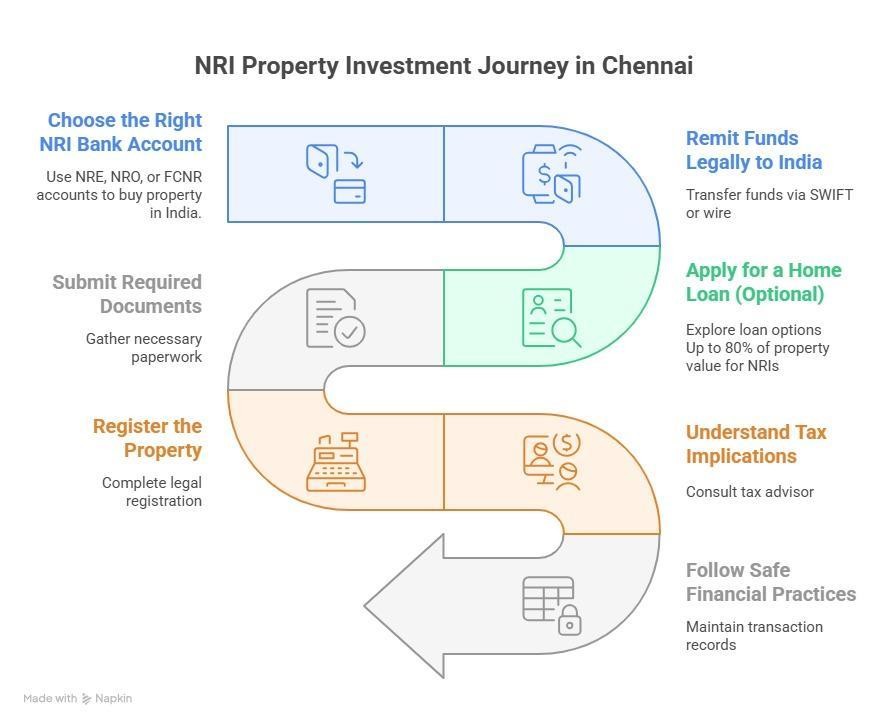
What to Do If a Developer Violates RERA Rules
Karnataka RERA provides equal legal protection to both resident and NRI buyers. If developers delay possession, violate agreements, or fail to deliver promised amenities, NRIs have the right to seek legal remedies through the RERA complaint mechanism.
Situations for Filing a Complaint
You may file complaints for:
- Delayed possession
- Project abandonment
- False advertising
- Missing amenities
- Agreement violations
Available Remedies
- Refunds
- Interest on delayed possession
- Compensation
- Legal directions
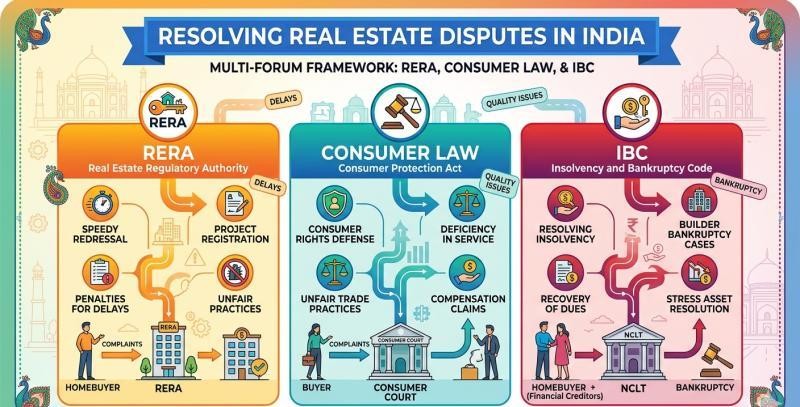
Safe Investment Practices Every NRI Should Follow
Successful property investments require careful planning and independent verification. Following a structured due diligence process significantly reduces financial risks and ensures long-term investment security.
Before Investing
- Verify developer history
- Review previous projects
- Conduct legal audits
- Confirm RERA registration
- List Avoid cash payments
Physical Verification
If unable to visit:
- Construction quality
- Project progress
- Infrastructure
- Amenities
- Neighborhood
Cross-Border Property Transactions Made Easy
Cross-border investments involve additional regulatory requirements. Understanding banking procedures, ownership rules, and repatriation guidelines helps NRIs complete transactions smoothly while complying with Indian regulations.
Repatriation Rules
- USD 1 Million per financial year
subject to RBI regulations.
Joint Ownership Rules
- Indian Citizens
- Eligible NRIs
Restrictions apply when purchasing jointly with foreign nationals who are not of Indian origin.

Frequently Asked Questions for NRI Property Buyers
Many NRIs have similar questions regarding legal procedures, financing, taxation, and documentation. Understanding these common concerns before investing helps simplify the buying process and ensures greater confidence during property transactions.
Can an NRI Buy Property Without Visiting India?
Yes, A properly executed Specific Power of Attorney (POA) allows a trusted representative to complete the purchase.
Are Home Loans Available?
- NRI Home Loans
- Up to 80% Funding
- Flexible repayment options
Do NRIs Pay Property Tax?
Lorem ipsum dolor sit amet, consectetur adipiscing elit. Ut elit tellus, luctus nec ullamcorper mattis, pulvinar dapibus leo.
Final Thoughts
The Karnataka RERA 2026 updates have significantly strengthened transparency, accountability, and buyer protection, making property investment safer than ever for overseas investors. However, every NRI should still perform thorough due diligence before making any financial commitment.
Verifying RERA registration, legal documentation, title records, taxation requirements, and developer credibility can help protect your investment while ensuring complete compliance with Indian laws.
Working with an experienced real estate consultancy and an independent legal advisor provides additional confidence, helping you make informed decisions and secure a property that offers both financial growth and long-term peace of mind.






Add comment